

What is the oxygen transmission rate of High Barrier Film?
May 16, 2025
What is the oxygen transmission rate of High Barrier Film?
As a seasoned supplier of high barrier films, I've witnessed firsthand the pivotal role these materials play in various industries. High barrier films are engineered to restrict the passage of gases, moisture, and light, thereby extending the shelf life of products and maintaining their quality. One of the most critical parameters in evaluating the performance of high barrier films is the oxygen transmission rate (OTR).

Understanding Oxygen Transmission Rate
The oxygen transmission rate refers to the quantity of oxygen gas that permeates through a given area of a film under specific conditions of temperature and humidity over a set period. It is typically measured in units of cubic centimeters per square meter per day (cc/m²/day) at a specific temperature and relative humidity (RH). For instance, a common testing condition is 23°C and 0% RH, although actual usage conditions may vary widely.
The OTR of a high barrier film is influenced by several factors, including the film's composition, thickness, and the presence of any additives or coatings. Different polymers have varying degrees of oxygen permeability. For example, polyethylene terephthalate (PET) has relatively low oxygen permeability compared to polyethylene (PE). By combining different polymers in a multilayer structure, manufacturers can create films with enhanced barrier properties.
Significance of OTR in Different Industries
In the food industry, controlling the oxygen transmission rate is crucial for preserving the freshness and flavor of products. Oxygen can cause oxidation, which leads to spoilage, color changes, and loss of nutritional value. High barrier films with low OTR are used to package a wide range of food items, such as snacks, meats, cheeses, and coffee. For example, when packaging coffee beans, a film with a very low OTR is essential to prevent the beans from going stale by protecting them from oxygen exposure. This helps to maintain the aroma and flavor of the coffee for a longer period.
The pharmaceutical industry also relies heavily on high barrier films with low OTR. Many medications are sensitive to oxygen, which can degrade their chemical composition and reduce their effectiveness. High barrier films are used to package tablets, capsules, and other pharmaceutical products to ensure their stability and shelf life. Additionally, in the medical device industry, high barrier films are used to protect devices from oxygen and moisture, which can cause corrosion and damage.
In the electronics industry, high barrier films are used to protect sensitive electronic components from oxygen and moisture. Oxygen can cause oxidation of metal parts, leading to corrosion and electrical failures. By using high barrier films with low OTR, manufacturers can ensure the reliability and longevity of electronic devices.
Measuring Oxygen Transmission Rate
There are several methods available for measuring the oxygen transmission rate of high barrier films. One of the most common methods is the coulometric method, which involves measuring the current generated by the reaction of oxygen with a cathode in an electrochemical cell. Another method is the manometric method, which measures the change in pressure caused by the permeation of oxygen through the film.
When selecting a high barrier film for a specific application, it is essential to consider the required OTR based on the product's sensitivity to oxygen and the desired shelf life. Different products have different oxygen sensitivity levels, and the appropriate film must be chosen to meet these requirements.
Our High Barrier Films and Their OTR
As a supplier of high barrier films, we offer a wide range of products with varying OTR values to meet the diverse needs of our customers. Our films are manufactured using advanced technology and high-quality materials to ensure excellent barrier properties.
For example, our 8 Side Seal Bag is made from a high barrier film with a very low OTR. This bag is ideal for packaging products that require high levels of protection against oxygen and moisture, such as dried fruits, nuts, and spices. The unique 8-side seal design provides additional protection and ensures a tight seal, preventing oxygen from entering the bag.
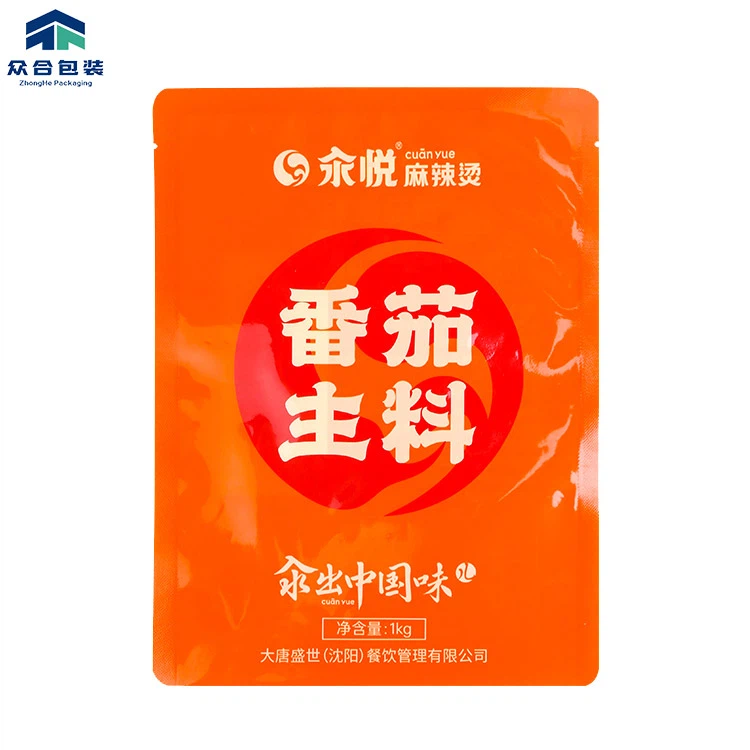
Our Waterproof Back Seal Bag is another popular product that features a high barrier film with low OTR. This bag is designed to be waterproof and provides excellent protection for products that are sensitive to moisture and oxygen. It is commonly used for packaging items such as electronics, cosmetics, and pharmaceuticals.
In addition, our Eco Friendly Stand Up Packaging Bags are made from sustainable materials without compromising on the barrier properties. These bags have a low OTR and are suitable for a variety of food and non-food applications. They are an excellent choice for customers who are looking for environmentally friendly packaging solutions.
Conclusion
The oxygen transmission rate is a critical factor in determining the performance of high barrier films. By understanding the OTR and its significance in different industries, customers can make informed decisions when selecting the appropriate film for their products. As a high barrier film supplier, we are committed to providing our customers with high-quality films that meet their specific requirements.
If you are interested in learning more about our high barrier films or would like to discuss your packaging needs, please feel free to contact us. We look forward to working with you to find the best packaging solutions for your products.
References
- ASTM D3985 - Standard Test Method for Oxygen Gas Transmission Rate Through Plastic Film and Sheeting Using a Coulometric Sensor
- ISO 15105 - 1:2007 - Plastics - Film and sheeting - Determination of gas transmission rate - Part 1: Differential - pressure method
- Packaging Technology Handbook, edited by Wilmer A. Jenkins and James P. Harrington