

What are the different types of food packaging bags available in the market?
Jul 14, 2025
Hey there! As a food packaging bag supplier, I've seen firsthand the wide variety of options available in the market. In this blog post, I'll break down the different types of food packaging bags, their features, and where they're commonly used. So, let's dive right in!
Plastic Packaging Bags
Plastic is one of the most popular materials for food packaging due to its versatility, affordability, and durability. Here are some common types of plastic food packaging bags:
Polyethylene (PE) Bags
PE bags are widely used in the food industry because they're lightweight, flexible, and have good moisture resistance. They come in two main types: low-density polyethylene (LDPE) and high-density polyethylene (HDPE).
- LDPE Bags: These bags are soft, flexible, and have excellent transparency. They're often used for packaging fresh produce, bakery items, and snacks. For example, you'll find LDPE bags in grocery stores holding grapes, strawberries, and other fruits.
- HDPE Bags: HDPE bags are stronger and more rigid than LDPE bags. They're commonly used for packaging dry goods like rice, flour, and cereals. HDPE bags can also be used for packaging heavier items because they have better puncture resistance.
Polypropylene (PP) Bags
PP bags are known for their high tensile strength, heat resistance, and clarity. They're often used for packaging hot-filled foods, such as soups, sauces, and ready-to-eat meals. PP bags can also be used for packaging snacks and confectionery items.
Polyvinyl Chloride (PVC) Bags
PVC bags are less common in food packaging due to environmental concerns. However, they're still used in some applications because they have good clarity, flexibility, and barrier properties. PVC bags are often used for packaging meat, cheese, and other high-fat foods.
Paper Packaging Bags
Paper is a sustainable and eco-friendly alternative to plastic packaging. Here are some common types of paper food packaging bags:
Kraft Paper Bags
Kraft paper bags are made from unbleached paper and are known for their strength and durability. They're often used for packaging dry goods, such as coffee, tea, and spices. Kraft paper bags can also be used for packaging bakery items and snacks.
Waxed Paper Bags
Waxed paper bags are coated with wax to make them waterproof and greaseproof. They're commonly used for packaging fast food, such as burgers, fries, and chicken wings. Waxed paper bags can also be used for packaging bakery items and snacks.
Paperboard Bags
Paperboard bags are made from thicker paper and are often used for packaging heavier items, such as cereal boxes, pasta boxes, and frozen food boxes. Paperboard bags can also be used for packaging gift items and promotional products.
Aluminum Foil Packaging Bags
Aluminum foil is a popular material for food packaging because it has excellent barrier properties. It can protect food from light, oxygen, moisture, and bacteria. Here are some common types of aluminum foil food packaging bags:
Stand-Up Pouches
Stand-up pouches are a popular choice for packaging snacks, such as chips, nuts, and crackers. They have a flat bottom that allows them to stand upright on store shelves, making them more visible to consumers. Stand-up pouches can also be resealable, which helps to keep the food fresh.
Sachets
Sachets are small, single-serve packages that are often used for packaging condiments, such as ketchup, mustard, and mayonnaise. Sachets can also be used for packaging spices, seasonings, and other small food items.
Foil Lined Bags
Foil lined bags are made by laminating aluminum foil to a layer of plastic or paper. They're often used for packaging coffee, tea, and other products that require a high level of protection from light, oxygen, and moisture. Foil lined bags can also be used for packaging snacks and confectionery items.
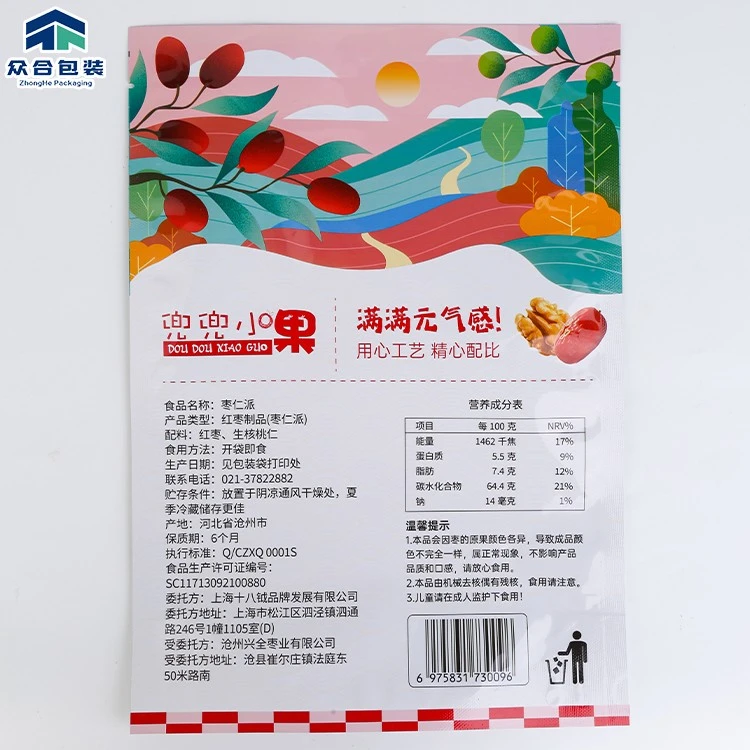

Specialized Packaging Bags
In addition to the standard types of food packaging bags, there are also some specialized bags that are designed for specific applications. Here are some examples:
Insulated Snack Food Bags
These bags are designed to keep snacks fresh and at the right temperature. They're often used for packaging hot or cold snacks, such as popcorn, pretzels, and ice cream. Insulated snack food bags can be made from a variety of materials, including plastic, paper, and aluminum foil.
Chips Packing Bag
Chips packing bags are specifically designed to protect chips from breakage and to keep them fresh. They're often made from a combination of plastic and aluminum foil to provide a high level of barrier protection. Chips packing bags can also be printed with attractive designs to make the chips more appealing to consumers.
Biscuit Packaging Bags
Biscuit packaging bags are designed to protect biscuits from moisture, oxygen, and light. They're often made from a combination of paper and plastic to provide a good balance of strength and barrier properties. Biscuit packaging bags can also be printed with branding and product information to make the biscuits more visible on store shelves.
Choosing the Right Food Packaging Bag
When choosing a food packaging bag, there are several factors to consider, including the type of food being packaged, the shelf life of the food, the storage conditions, and the environmental impact. Here are some tips to help you choose the right food packaging bag:
- Consider the type of food: Different types of food require different types of packaging. For example, dry goods like rice and flour require a different type of packaging than fresh produce or meat.
- Consider the shelf life of the food: Foods with a longer shelf life require a higher level of barrier protection to prevent spoilage. For example, canned foods can have a shelf life of several years, while fresh produce has a much shorter shelf life.
- Consider the storage conditions: Foods that are stored in a cool, dry place require a different type of packaging than foods that are stored in a warm, humid environment.
- Consider the environmental impact: If you're concerned about the environmental impact of your packaging, you may want to consider using sustainable and eco-friendly materials like paper or biodegradable plastics.
Conclusion
As you can see, there are many different types of food packaging bags available in the market. Each type of bag has its own unique features and benefits, and the right choice depends on the specific needs of your product. At our company, we offer a wide range of food packaging bags to meet the needs of our customers. Whether you're looking for plastic bags, paper bags, or specialized packaging bags, we have the solution for you.
If you're interested in learning more about our food packaging bags or if you have any questions, please don't hesitate to contact us. We'd be happy to discuss your packaging needs and help you find the right solution for your product.
References
- Packaging Machinery Manufacturers Institute (PMMI). (2023). Food Packaging Trends.
- Institute of Packaging Professionals (IoPP). (2023). Food Packaging Handbook.
- American Chemistry Council (ACC). (2023). Plastic Packaging: A Sustainable Solution.