

What is the anti - static property of meat packing bags?
Jun 02, 2025
As a trusted supplier of Meat Packing Bags, I often get asked about the anti-static property of these essential packaging solutions. In this blog post, I'll delve into what anti-static property means in the context of meat packing bags, why it's important, and how it impacts the overall quality and safety of meat packaging.
Understanding Anti-Static Property
Anti-static property refers to the ability of a material to resist the build-up of static electricity. Static electricity is generated when two materials come into contact and then separate, causing an imbalance of electric charges. In the case of meat packing bags, static electricity can be generated during the manufacturing process, handling, or transportation.
When static electricity builds up on the surface of a meat packing bag, it can attract dust, dirt, and other contaminants. This not only affects the appearance of the bag but also poses a risk to the quality and safety of the meat inside. Static electricity can also cause the bags to stick together, making them difficult to separate and use. Additionally, in some cases, static electricity can even cause sparks, which can be a fire hazard in certain environments.
Why Anti-Static Property Matters in Meat Packaging
The anti-static property of meat packing bags is crucial for several reasons. Firstly, it helps to maintain the hygiene and cleanliness of the meat. By preventing the attraction of dust and contaminants, anti-static bags ensure that the meat remains free from external pollutants, reducing the risk of spoilage and contamination.
Secondly, anti-static bags improve the handling and usability of the packaging. When bags don't stick together due to static electricity, it becomes easier for meat processors and packers to open, fill, and seal the bags efficiently. This can lead to increased productivity and reduced downtime in the packaging process.
Thirdly, anti-static property can enhance the safety of the packaging environment. In meat processing facilities, where there may be flammable gases or vapors present, the risk of static sparks is a significant concern. Anti-static bags help to minimize this risk, ensuring a safer working environment for employees.
How Anti-Static Property is Achieved in Meat Packing Bags
There are several ways to achieve anti-static property in meat packing bags. One common method is to use anti-static additives during the manufacturing process. These additives are incorporated into the plastic resin used to make the bags, creating a conductive surface that dissipates static charges.
Another approach is to apply an anti-static coating to the surface of the bags. This coating acts as a barrier, preventing the build-up of static electricity and reducing the attraction of contaminants. Anti-static coatings can be applied during the printing or laminating process, providing an additional layer of protection.
Some meat packing bags are also designed with a specific structure or material composition that inherently reduces static electricity. For example, bags made from certain types of polymers or blends may have lower static-generating properties compared to others.
Testing and Certification of Anti-Static Meat Packing Bags
To ensure the effectiveness of anti-static property in meat packing bags, rigorous testing and certification processes are carried out. These tests measure the surface resistivity of the bags, which indicates their ability to conduct static charges. Bags that meet specific industry standards for anti-static performance are awarded relevant certifications.
Certifications such as the ASTM D257 standard for measuring electrical resistivity of insulating materials are commonly used to evaluate the anti-static properties of meat packing bags. By choosing certified anti-static bags, meat processors can have confidence in the quality and performance of the packaging.
The Impact of Anti-Static Property on Different Types of Meat Packaging
Anti-static property is important for various types of meat packaging, including fresh meat, frozen meat, and processed meat. For fresh meat, anti-static bags help to preserve the freshness and appearance of the product by preventing contamination. In the case of frozen meat, anti-static bags can prevent ice crystals from forming on the surface of the bag, which can affect the quality of the meat during thawing.
Processed meat products, such as sausages and deli meats, also benefit from anti-static packaging. The anti-static property helps to maintain the integrity of the packaging, ensuring that the products remain protected during storage and transportation.
Comparing Anti-Static Meat Packing Bags with Other Types of Packaging
When compared to non-anti-static meat packing bags, anti-static bags offer significant advantages. Non-anti-static bags are more likely to attract dust and contaminants, which can compromise the quality and safety of the meat. They are also more difficult to handle, as they tend to stick together, leading to inefficiencies in the packaging process.
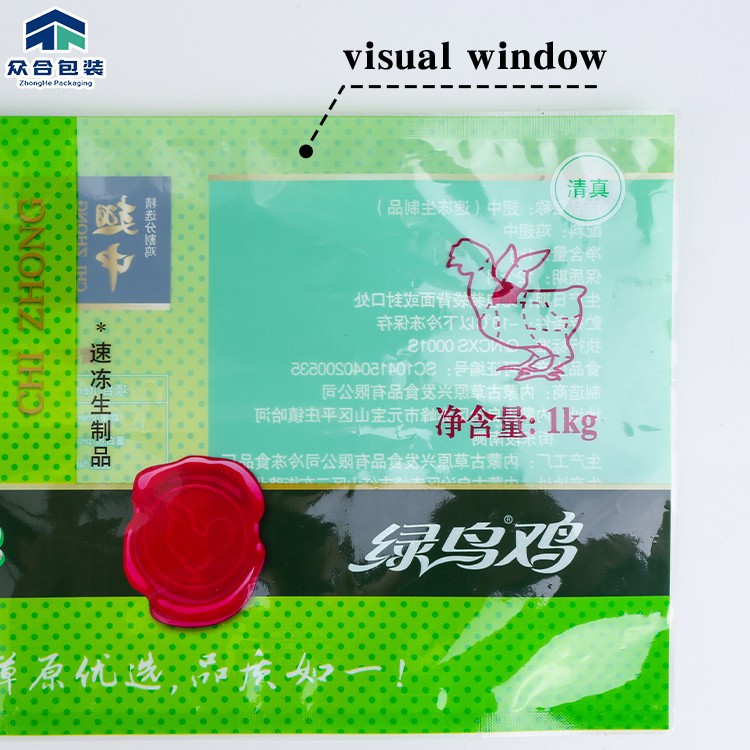

In addition to meat packing bags, other types of food packaging, such as Dried Fruit Packaging Bags and Insulated Snack Food Bags, can also benefit from anti-static properties. Anti-static packaging helps to maintain the quality and freshness of these products, ensuring a better consumer experience.
Our Range of Anti-Static Meat Packing Bags
As a leading supplier of Meat Packing Bags, we offer a wide range of anti-static options to meet the diverse needs of our customers. Our bags are made from high-quality materials and are designed to provide excellent anti-static performance.
We use advanced manufacturing techniques and the latest anti-static additives to ensure that our bags effectively dissipate static charges and prevent the attraction of contaminants. Our bags are available in various sizes, shapes, and designs, allowing you to choose the perfect packaging solution for your specific meat products.
Conclusion
In conclusion, the anti-static property of meat packing bags is an essential feature that plays a vital role in maintaining the quality, safety, and usability of meat packaging. By preventing the build-up of static electricity, anti-static bags help to keep the meat clean, reduce the risk of contamination, and improve the efficiency of the packaging process.
If you're in the market for high-quality anti-static meat packing bags, look no further. Our company is committed to providing the best packaging solutions for your meat products. Contact us today to discuss your packaging needs and let us help you find the perfect solution for your business.
References
- ASTM International. (2023). ASTM D257 - 22: Standard Test Methods for DC Resistance or Conductance of Insulating Materials.
- Packaging Machinery Manufacturers Institute. (2023). Best Practices for Meat Packaging.
- Food and Drug Administration. (2023). Guidelines for Meat and Poultry Packaging.