

How does macadamia packaging prevent oxidation of nuts?
Jul 03, 2025
As a supplier of Macadamia Packaging, I've delved deep into the science and art of preventing nut oxidation. Macadamia nuts are not only a delicious treat but also rich in healthy fats. However, these very fats make them highly susceptible to oxidation, which can lead to rancidity, off - flavors, and a loss of nutritional value. In this blog, I'll explore the various ways our macadamia packaging safeguards these precious nuts from oxidation.
Understanding Oxidation in Nuts
Oxidation is a chemical reaction that occurs when the unsaturated fatty acids in macadamia nuts react with oxygen in the air. This reaction is accelerated by factors such as light, heat, and the presence of trace metals. Once oxidation begins, it forms free radicals, which can cause a chain reaction that further breaks down the fats in the nuts. The result is a nut that has a stale, bitter taste and a diminished shelf - life.
Barrier Materials
One of the primary ways our macadamia packaging prevents oxidation is through the use of high - quality barrier materials. These materials act as a shield, preventing oxygen from reaching the nuts. We commonly use multi - layer films that combine different polymers with varying barrier properties.
For example, polyethylene terephthalate (PET) is often used as an outer layer due to its excellent clarity, strength, and resistance to moisture and gas. It provides a physical barrier that protects the inner layers from damage. Beneath the PET layer, we may incorporate a layer of aluminum foil. Aluminum foil is an extremely effective oxygen barrier, blocking almost 100% of oxygen from passing through. It also provides excellent protection against light, which can also trigger oxidation reactions.
Another popular choice for the inner layer is low - density polyethylene (LDPE). LDPE is food - grade, flexible, and has good heat - sealing properties. It ensures that the package can be sealed tightly, creating an air - tight environment for the macadamia nuts.
Modified Atmosphere Packaging (MAP)
In addition to using barrier materials, we also employ Modified Atmosphere Packaging (MAP) technology. MAP involves replacing the air inside the package with a custom - blend of gases. Typically, the air inside the package is removed and replaced with a mixture of nitrogen and carbon dioxide.
Nitrogen is an inert gas, which means it does not react with the macadamia nuts. By filling the package with nitrogen, we displace the oxygen, reducing the risk of oxidation. Carbon dioxide, on the other hand, has antimicrobial properties. It helps to inhibit the growth of mold and bacteria, which can also contribute to the spoilage of the nuts.
The exact ratio of nitrogen to carbon dioxide in the gas mixture depends on several factors, such as the type of macadamia nuts, the expected shelf - life, and the storage conditions. Through careful testing and experimentation, we can determine the optimal gas blend for each specific application.
Vacuum Packaging
Vacuum packaging is another effective method for preventing oxidation in macadamia nuts. In this process, the air is removed from the package before it is sealed. By creating a vacuum, we significantly reduce the amount of oxygen present around the nuts.
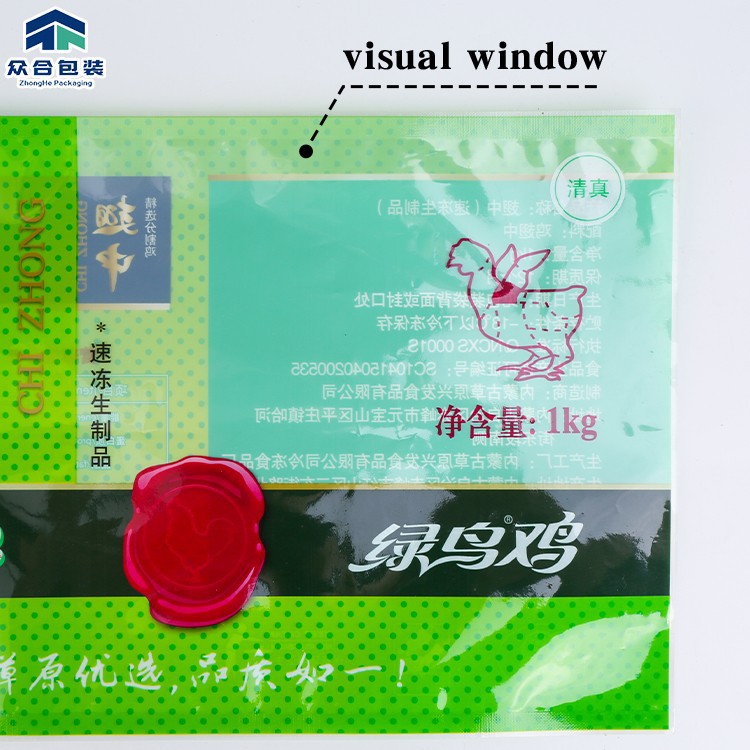

Vacuum packaging is particularly useful for long - term storage. It not only protects the nuts from oxidation but also helps to preserve their shape and texture. However, it's important to note that vacuum packaging can sometimes cause the nuts to clump together. To prevent this, we may use special packaging designs or add anti - caking agents to the nuts.
Role of Packaging Design
The design of the packaging also plays a crucial role in preventing oxidation. Our packages are designed to be as air - tight as possible. We use advanced sealing techniques, such as heat sealing, to ensure that there are no leaks in the package.
The size and shape of the package are also carefully considered. A smaller package reduces the amount of air space inside, which in turn reduces the amount of oxygen available for oxidation. Additionally, the package may be designed with a resealable feature. This allows consumers to open the package, take out some nuts, and then seal it again, maintaining the protective environment inside the package.
Comparison with Other Food Packaging
Our macadamia packaging technology can be compared to other types of food packaging. For instance, Chips Packing Bag also uses barrier materials and MAP technology to prevent the chips from going stale. However, chips are more prone to breakage, so the packaging needs to be more rigid and shock - resistant.
Biscuit Packaging Bags also focus on preventing oxidation and moisture absorption. But biscuits often have a different texture and flavor profile, so the packaging may need to be designed to preserve the crunchiness and freshness of the biscuits.
Meat Packing Bags face different challenges, such as preventing the growth of bacteria and maintaining the color and texture of the meat. They may use different types of barrier materials and gas mixtures compared to macadamia packaging.
Conclusion
In conclusion, our macadamia packaging uses a combination of barrier materials, Modified Atmosphere Packaging, vacuum packaging, and thoughtful design to prevent the oxidation of nuts. By implementing these strategies, we can extend the shelf - life of macadamia nuts, preserve their flavor and nutritional value, and ensure that consumers receive a high - quality product.
If you're in the market for macadamia packaging or have any questions about our packaging solutions, I encourage you to reach out. We're always happy to discuss your specific needs and provide customized packaging options. Whether you're a small - scale nut producer or a large - scale food manufacturer, we have the expertise and technology to meet your requirements. Let's work together to ensure that your macadamia nuts stay fresh and delicious from the production line to the consumer's plate.
References
- "Food Packaging: Principles and Practice" by Donald O. Shahidi and Youling L. Xiong.
- "Modified Atmosphere Packaging of Foods" by Robert O. Baker and Michael S. Bruhn.
- Research papers on nut oxidation and packaging from scientific journals such as the Journal of Food Science and the Journal of Agricultural and Food Chemistry.